The Mother I Never Knew

We are a diverse group of writers shaped by our experiences, this is another autobiographical piece from one of our U3A writing group members. Tessa writes about her mother, the mother she never had a chance to know.
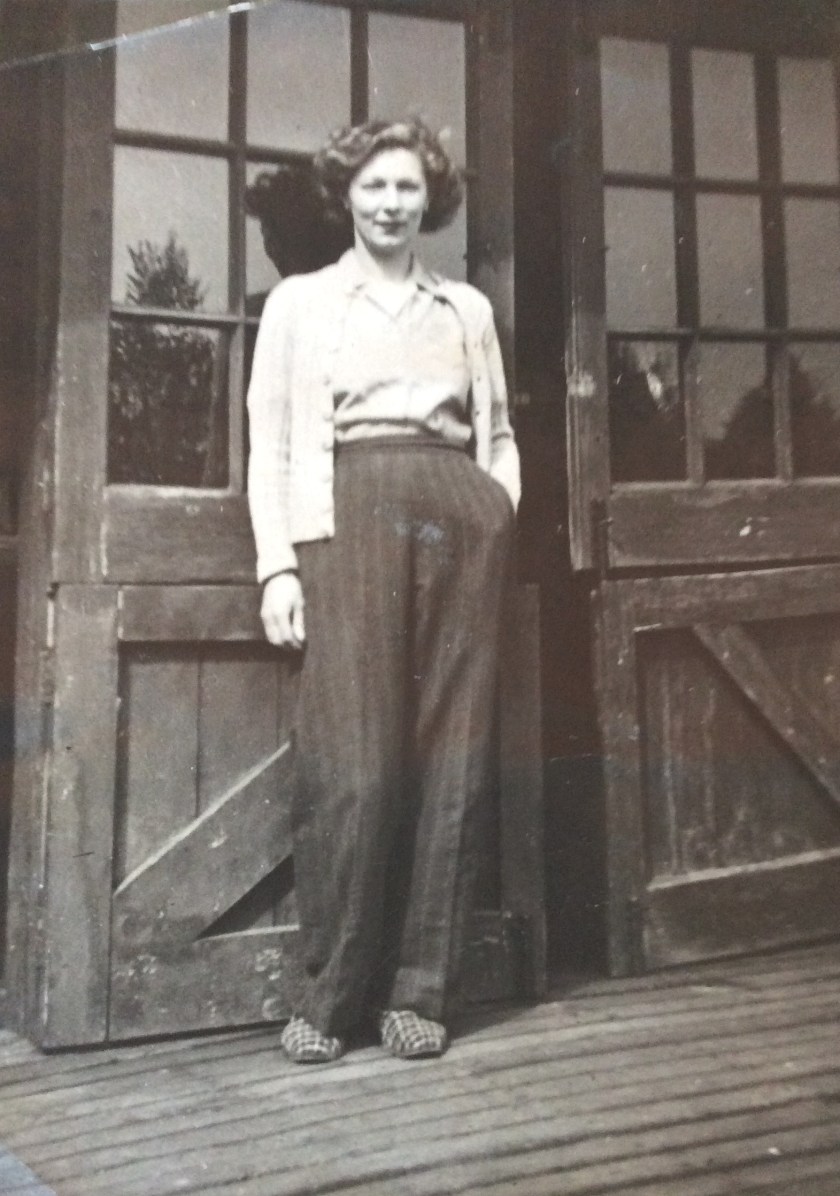
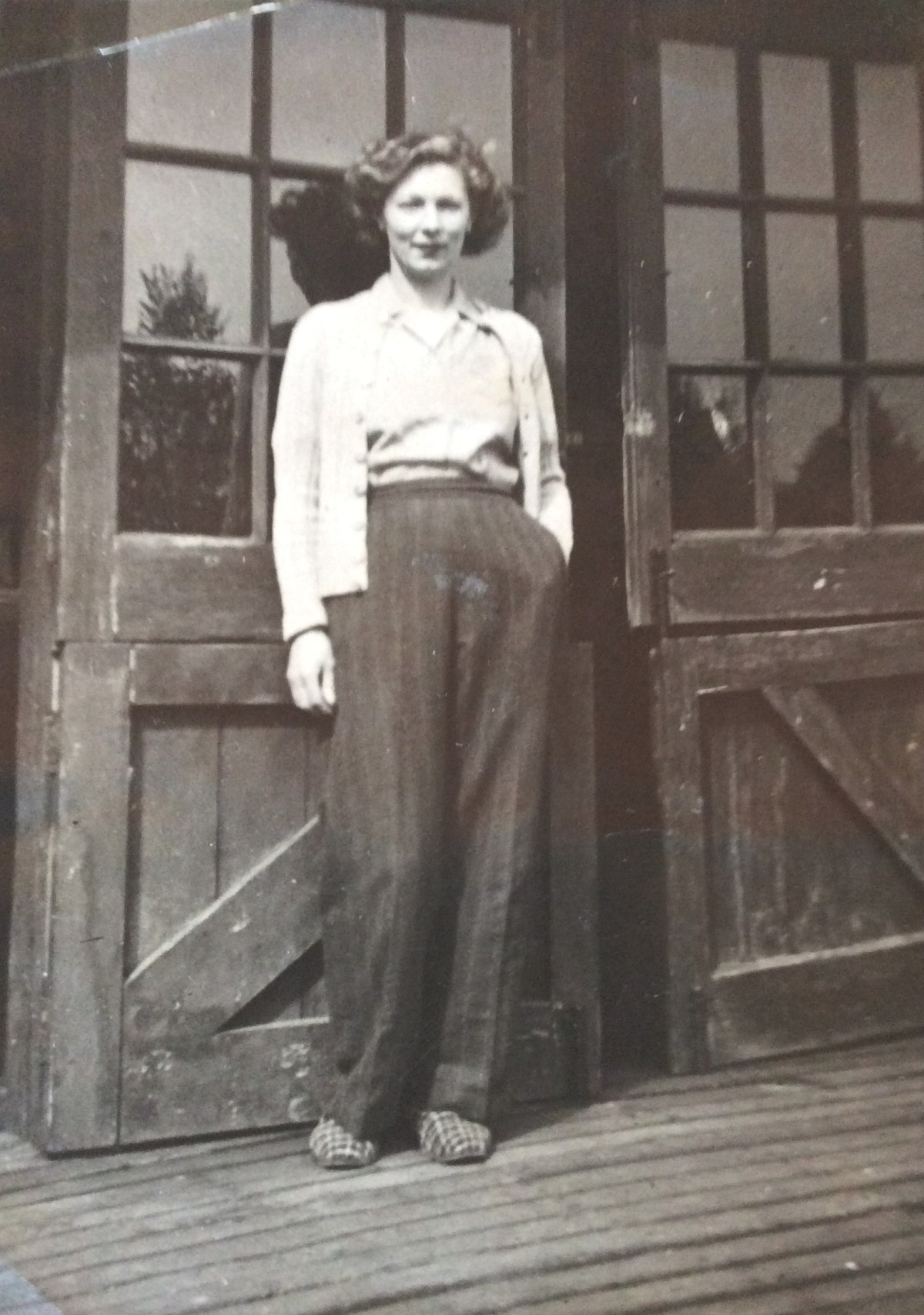
Tessa's Mum
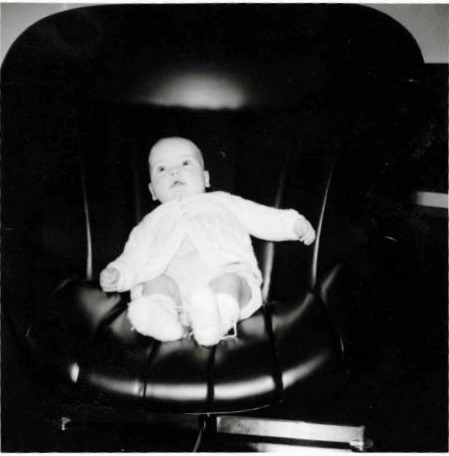
Tessa’s mother

My mother died at the age of 31. She had been a young bride, an abused wife, a mother of four, a WAAF, a lover of some, a prisoner, and at the end, a consumptive. I never knew my mother; I was three and a half when she died but her life had an enormous impact on her four surviving children. The consequences for us all were huge. The expression most used about my mother when I was growing up was “spirited”.


My mother was born on October 6th 1917 in Limerick, southern Ireland. She was christened Teresa although when it suited her she could and did, change her name. She was the eldest child of six children. A seventh child died in infancy. My grandfather was with the Royal Engineers based in Ireland at the time of my mother’s birth. My grandmother helped her mother at a guest house near the camp. My grandparents had a long and happy marriage mainly because my grandfather agreed on everything with my grandmother. There was one exception to this however, my mother. Despite her many failings, and indiscretions, my mother was without doubt my grandfather’s favourite child, something that would be tested many times.


My mother enjoyed the freedom of the large encampment and in particular the dances. She loved the dances. Actually my grandfather forbade her to go to them and her younger sister was supposed to ensure she was at home on the dance nights. But my mother always managed to sneak out and stand by the door of the dance hall. She was rarely caught and frequently managed a dance.


My mother and the family moved to England and to Welwyn Garden City sometime around 1932. She would have been about 15. In 1938 aged just twenty, and three months pregnant she married. She gave birth that year to twin girls. I cannot say if this was an unhappy marriage from the start. I do know from things I have learned as an adult that her husband was a violent man whose drinking would frequently result in abuse, both verbal and physical towards my mother. In 1940 she gave birth to a boy. With her husband away in the army I think my mother; young as she was must have found life very tough and lonely. She must have yearned for the freedom her sisters enjoyed, as they were yet to marry.


That freedom came with the soldiers on leave, looking for relief from the fighting. In Welwyn Garden City at that time was a large pub with an even larger ballroom. Dances were held several times a week. My mother would frequently leave the children in their cots, with glass bottle feeders and a roaring fire in the grate, and go dancing. It was reckless but it’s hard for me to condemn her. I have some sympathy for a young woman in uncertain times wanting to have some fun. It was usually left to my grandmother to respond when the neighbours heard the children crying in the house.


Sometime in 1942 my mother left her three children in the care of her husband’s sister and joined the WAAF band as a girl drummer based in Chivenham in Devon.  How she was able to do this, with a family left at home I don’t know but I imagine during war time anything is possible. My mother’s life must have changed dramatically. She was in uniform; she had many friends, though most seemed to be men. She came home on leave with stories of the great time she was having. My grandmother kept in touch with the children but at some point, and I am unclear as to when, my mother’s husband placed the twins in to an orphanage, and the boy he gave to friends who later adopted him. During this time my mother changed her forename and linked it with her married surname, gave her status as single and dropped her age by five years. She had a number of affairs judging by the number of young Americans in particular, who came to my grandmother’s house asking for her.


In July 1944 at The Parish church of Emmanuel, Compton Gifford near Plymouth she married a 22 year old Leading Airman in the RAF.  He was one of triplets, and was known to my family. Of course my mother was still married. On the front page of the Western Evening Herald dated Monday July 24th is a picture of the happy couple with a guard of honour of airmen and women. Had my mother lost her mind? The wedding certificate states that she was a spinster, aged 22 and single. She had to alter her father’s name to bring it in line with her own and gave his employment as a Company Sergeant Major in the Royal Corps of Signals. I’m sure my grandfather would have been tickled pink by that.


Whatever happiness she may have felt at this time, was soon dispelled. Her real husband was told of the marriage and informed the police. On leave, and visiting home she realised the game was up and went on the run. She appears to have been AWOL for at least 8 or 9 months during which time she must have had a relationship with someone as I was born in December 1945.  Whether my mother gave herself up or was caught I don’t know. Where she was during that time is also unknown. But at sometime during the summer of 1945 she faced trial for bigamy at the Old Bailey. My grandparents both attended the trial which, with the journey alone must have been quite a trial for them as well. She was sentenced to nine months imprisonment deferred until after I was born. By the beginning of January 1946 my mother’s sentence began at Holloway Prison. My mother never saw me again.


She left prison sometime in late 1946. I’m not sure exactly when or whether she had time off for good behaviour. But whilst in prison she contracted tuberculosis. Meanwhile I was in hospital suffering from septicaemia. Because of my mother’s illness I had an extended stay in hospital and didn’t leave until she died in May 1949.


The twins stayed in an orphanage until they were 16. Their lives were severely blighted by that experience and neither of them lived happily. The boy was adopted by people who were unkind and at times cruel. I met him for the first time a few years ago and we keep in touch. As for me, well my life has had many tragic moments and times I would rather forget. Most of my childhood is blocked from my memory, and that which I can remember I would rather not. As to my father, who knows? My mother did of course and asked my grandmother if she wanted to know. But she said no.

Tessa Thomson


Meeting Penfriends

Gwen Bunting is a recent recruit to the Wordsmiths. This is her fascinating account of her sixty odd year friendship with a friend in Holland.

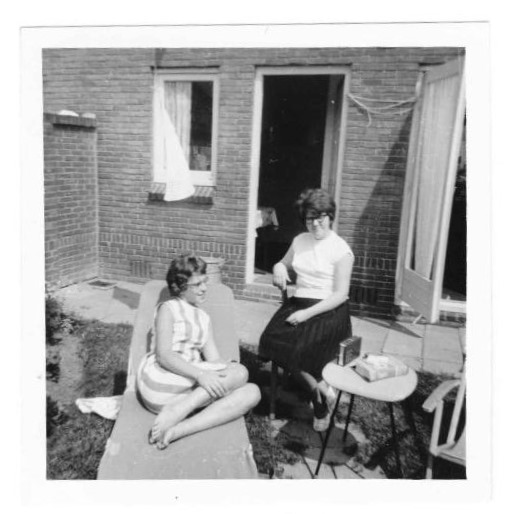
Gwen and Lilian
Gwen seated Lilian on the sun lounger

I have been writing to Lilian Boogaard in Holland since we were thirteen-year-old schoolgirls it wasn’t until we were both aged twenty that we first met, this was in 1963.


I flew from Heathrow whilst waiting to board a KLM flight to Schipol Amsterdam thinking back to when I was younger. Standing then in the Queens Building as a young child with my mother, watching the aircraft land and take off. I made up my mind whilst watching the planes that one day I would fly from Heathrow myself.


It took me all year to save up for the trip. The flight was about £16 but hard to come by when you only earned a third of that amount weekly and had to pay your board at home.


The day duly arrived and my dear brothers drove me to Heathrow overnight. Having my passport and Guilders for my big adventure. They left me at the departure gate and I was on my own. A big step for me, but I moved on to the correct area and boarded the flight which lasted about an hour.


Landing in Schipol I followed the signs making my way through passport control answering their questions. We were not in the common market then. I was duly stamped and moved through, collecting my case from the carousel.  Walking through into the open area looking for Lilian. No one was there. I cannot remember how long I sat waiting. She had been given all the flight details but she was nowhere to be seen.  Eventually, they arrived and we drove off to Loenen a small village about 30min drive from Amsterdam. Their English was stilted and my knowledge of Dutch much the same.


We went into Lilian’s mother’s house a tobacconists shop with the most wonderful smell of cigars, the Dutch are big cigar smokers. When we sat down to have a cup of tea they were surprised when I put milk into mine. This is called baby-tea they drink theirs weak and black. The other comment was that I did not speak like the Queen, I said very few of us do.


I stayed a week with my friend we lived with her brother and sister in law, who was pregnant. The things I remember and hold dear are my first taste of plain yoghurt which I still do not like; the delicious cakes I bought at the baker’s next door and visiting a windmill in the village.

Gwen and Marijke
Marijke seated and Gwen


I was able to help make a dress for Marijke my friends sister-in-law. Her baby was to be named Michael and they wanted the English spelling.

Michael
Michael Lilian’s nephew


Other reminisces are eating chips with mayonnaise instead of vinegar.  My friend’s father was in the Dutch Resistance, but he never spoke about the war. The family stuffed four gold Dutch gilders inside a toy dog belonging to my friend’s brother. He was told never to let anyone have his toy. The dog was to go everywhere with him. These gilders were later retrieved and made into pendants. I was so envious of these necklaces, knowing the history attached to them.

Lilian’s father worked on farms inseminating cows, this was hard to explain in English. We accompanied him on several visits, him donning long plastic gloves. He jokingly asked me if I would like to shake hands.  This was my first chance to wear clogs, they used them on the farm. Happy memories.

I visited again the following year and taught Michael to walk I am told.

Henk and Lilian
Henk, Lilian and chips with mayonaise

Sadly my friend suffers from severe arthritis, causing her to retire from work early. She had been a physiotherapist with the largest clinic in Amsterdam. Lilian lives with Henk who is a doctor. They have no children, but I am pleased that after all these years we are still in touch.

Lilian and Gwen
Lilian with Gwen more recently


In the last two years, I have visited again, being taken out on the boat along with the family and Michael who was there to steer the boat. more than fifty years later, happy memories.

Michael and Marijke
Michael and Marijke


Gwen Bunting

All my own work.

Plaigarism

Val Chapman tackles the issue of plagiarism in this post, raising issues and giving us her thoughts

……They accused me of plagiarism. Their words, not mine……..


I do sometimes wonder if I should include certain quotes in my stories. Obviously, I do not want anyone to think I have knowingly ‘stolen’ someone else’s work, passing it off as my own.

I have a little book where I write snippets of conversation I overhear, perhaps an interesting sentence or story I may read in a magazine. I look through this from time to time, looking for inspiration.

Sometimes it helps, mostly it does not.

But because these little prompts are ‘second hand’, should I use them at all?

I do wonder at times what constitutes plagiarism?

I think ‘knowingly’ is the keyword.

Surely we have all, at some point, used words from another body of work we have remembered and used in our own efforts, either consciously or unconsciously?

I assume that to be classed as ‘plagiarism’, it refers to a whole piece of work and not a few words or sentences here and there. Let’s face it, if it referred to ANYTHING then we wouldn’t be able to write at all!

So I’ll just continue along, in blissful ignorance and hope I don’t incur the wrath of someone with far more talent than me.


Val Chapman

I Love Writing Because…

Writing 2This piece is by Val Fish one of our talented Wordsmiths.

I’ve had a love of words and stories since my school days; my primary school report said ‘Valerie has a good imagination’, and a fantastic English teacher at grammar school was a great inspiration to me. English Language was one of only two subjects I was any good at (the other being French).

I was a big Blue Peter fan in my youth, every year I would get the annual as a Christmas present and was lucky enough to win two Blue Peter badges in their competitions.

As I grew older, I entered the world of consumer competitions, having to complete slogans that usually started something like ‘I shop at XYZ because’, in 12 words or less.

I won hundreds of prizes over the years, little and large, among them a few holidays; my biggest successes were the much sought after prize car; a Mini Metro, and a conservatory worth a massive ten thousand pounds.   One of my prizes of least value, but providing much amusement, was a frozen chicken, worth a measly £1.50 at the time. The winners had to go to the store to collect their prize, and we were photographed all holding our chickens aloft.  I did feel rather silly and particularly self-conscious as I was eight months pregnant at the time.

I could go on and on about the wondrous things that I won, but that’s another story to be told.

Although of course, the prizes were great, for me it was more the composing of the slogans that brought me pleasure. Trying to be witty in so few words and to stand out from the hundreds of others was a challenge I’d always relish. Maybe that’s why these days my forte is flash fiction.

As this type of competition began to die out, it seemed a natural progression to turn to creative writing.

So these days my words are somewhat longer, no big prizes to be won; in most cases, it’s simply seeing my efforts posted online, which gives me just as much pleasure


I couldn’t imagine not writing; it’s good therapy for me, all my cares and woes are temporarily forgotten. And an added bonus, it keeps those grey cells ticking over, much needed at my age. I like to think I’ll l be writing as long as I’ve still got my faculties, however long that may be.


Inspiration

Sunrise 25 11 15
Sunrise

This piece is by Tessa Thomson, a member of our group who’s poetry is truly outstanding.


Inspiration  (noun; the act of inspiring; stimulation by a divinity; a genius, idea or a passion).

A writer finds inspiration everywhere. Putting it down on paper is the difficulty. Sometimes I hear a phrase, maybe a couple of people chatting will say something I can use, or just being out in the garden can give inspiration for a piece of work.

Usually, inspiration comes during waking hours at night. That’s when I remember that I forgot to put the notebook and pen back beside the bed. But then a friend recently said she was frightened of being sent by the well-meaning family into a nursing home. Inspiration!

I’m frightened did I hear you say, of being all alone

Of being sent so far away to someone else’s home

To some grand house to sit around with others of your age

Like gilded birds of paradise inside a gilded cage


Recently I was watching my husband working in the garden, getting it ready for winter. Inspiration!


I’ve cleared all the leaves from the garden,

I’ve planted some bulbs in the beds.

I’ve rescued the tenderest flowers,

And cut off the dead flowering heads.


Our own memories probably provide the best inspiration but can sometimes provide the saddest.

My own poems can be very dark, but they are my stories. In the end, whether it’s a story or a poem, how it’s told and how it touches the individual is what makes good writing. Inspiration is the starting point; it’s what happens next that takes the reader beyond the imagination.

Recently someone wrote in a thank you note to me “our shared love of your daughter will ensure we meet again very soon”. Whilst I found the sentiment unsettling it did provide inspiration.


You say you seek a shared love with someone I hold dear

But how can that be possible; the obstacles are clear

The love I have is borne of pain; of risk and much besides

Of waking nights; of memories; of tears, I always hide.


My love is tough and gentle too but never harsh to bear

It’s that which gives such grace and joy and content to my heir

By this great love, her life is traced from childhood up to now

But you would seek to feel that love; to harness it somehow.


As Samuel Johnson remarked in 1799


What is written without effort is in general read without pleasure


Tessa Thomson

Writing

writing
Putting pen to paper


This post is from one of our writing group members. We have all been asked to give our thoughts on writing. We all approach writing in different ways and we are publishing these pieces ad hoc over time.

These are Teresa’s thoughts on the subject.

Writing has never come easily to me. However, possessing a vivid imagination and a peculiar sense of humour ensures a diverse source of subject material is readily available.

Being given a topic to write about focuses my mind and channels my enthusiasm. The Whittlesey Wordsmiths have encouraged and  supported my return to writing.

They could do the same for you.

Teresa Gilbertson


Whittlesey Wordsmiths will be at the EnGage in the Morning February meeting at the library Monday February 18th at 10.30am free tickets available at the desk

SPELING

teacher
Read carefully and take note

Does anyone else get as irritated by bad spelling as I do?

Don’t get me wrong here, I freely admit to having to use help to check my spelling frequently.

The thing that bugs me though is, if I can do it, why don’t lots of other people?

I know I’m not the only one who sometimes needs help, and indeed there is plenty of help out there (thank you Alexa)

I have been looking at a lot of adverts online recently, where people try to sell things they no longer have a need for, or have made and want to sell on, and have been so frustrated, disappointed, and frankly quite angry about basic, relatively easy words which have been spelt incorrectly.

If people are unsure about how to spell something, why don’t they find out? Especially if you are putting it in the public domain. I’m not talking about a shopping list here.

It just strikes me as being lazy, and to be perfectly honest, If you can’t be bothered, I really don’t want to buy whatever it is you are selling, thank you very much!

I have been known to walk past a greengrocer’s shop to go to the nearest supermarket because the sign in the grocer’s window read ‘Collies 80p’.

And no, they weren’t selling dogs.

Talking of dogs, it was a website selling dogs that I was most recently annoyed by. The number of people who can’t spell ‘miniature’, ‘puppies’ or even the name of the breed they are selling was, in my opinion, shocking.

Someone was selling their shih-tzu, and yes, they did spell it the way they obviously say it, sh## zhu.

Anyway, rant over. I try to be forgiving, but sometimes, just sometimes, I despair of people’s lazy attitude towards English. Well, the spelling of it anyway. Apostrophes and grammar can wait for another day.

And don’t get me started on some cafe menus……………


Val Chapman

Please give me a Prompt!

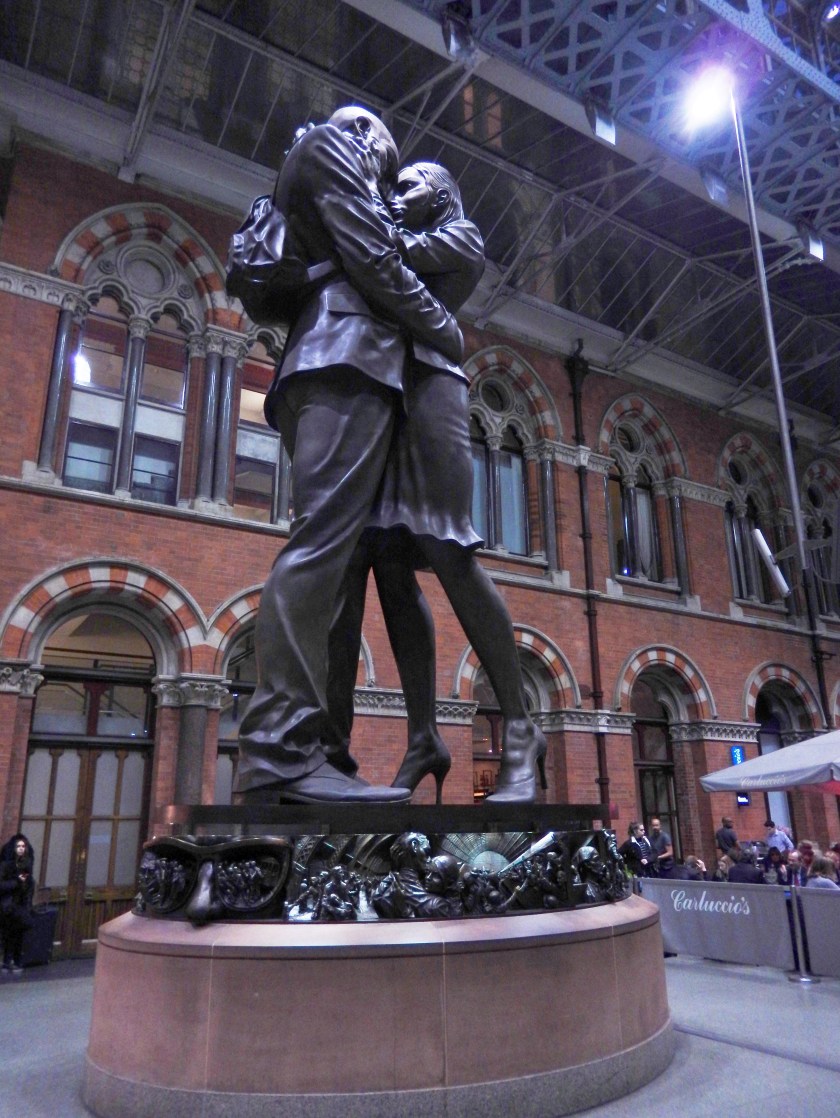
Statue at St Pancras Station
Statue at St Pancras Station What is their story?


My biggest problem is what to write in the first place. Given a free rein, told to ‘Write what I like’ and I’m lost, the page as blank as my mind.

I have tried the notebook / people watching/ eavesdropping ideas with varying results.

I travel fairly regularly by train and two incidents spring to mind.

My first encounter was, sitting across the aisle from me, a girl with long flaming red hair, she was so striking, I enjoyed conjuring up a character profile for her, and this developed into ‘The Girl Across the Aisle’

I once had the pleasure or misfortune; I’m not quite sure which, to be sitting opposite another girl on a train, on her mobile phone discussing who was going to donate their kidney to her, which she was in desperate need of. Believe me, I got every gory detail. She was either oblivious to me sitting there, or more than likely just didn’t care ( It seems to be the norm nowadays that people are happy to have what I would call private conversations in public, for all and sundry to hear).  My story; ‘The Girl with the Kidney’ is still waiting to be written.

Fortunately in my local U3A Creative Writing group, at the end of each meeting we are given that month’s homework. Even with that much needed prompt; I struggle for ages before coming up with something half worth developing. While my fellow wordsmiths are posting their valiant efforts, the deadline getting nearer and nearer, still nothing.

And then finally ‘Eureka’; more often than not, at three in the morning when my brain has been unable to switch off.

The funny thing is once I’ve started, that’s it, I simply can’t stop, frantically scribbling, editing, re-editing, never quite one hundred per cent satisfied which what I’ve done.

But in the end I have to let it go. My finger hovers over the ‘Send’ key before making that final decision to let it go.

And then spend the next few hours worrying about what everybody’s going to think of it!


Valerie Fish

Tribute to Edward Storey, a Fenland Hero

Portait of Edward Storey
Edward Storey 28 February 1930 – Sunday 18 November 2018

I would like to pay tribute to Edward Storey, a fellow Whittlesey resident and writer. I am sure many of our followers will be familiar with his books which brought recognition to our Fenland area, capturing the very essence of our history and culture.

I first contacted Edward over ten years ago when I started to write my own autobiography and continued to correspond regularly with him until this September when his health was beginning to fail. During those years he gave me so much support and guidance, encouraging me to develop and expand my writing. This gave me the confidence to set up the Whittlesey U3A Creative Writing Group which has evolved into the Whittlesey Wordsmiths. Last month we published our first book and I had signed and wrapped a copy for Edward before I heard news of his death.

I would like to express gratitude for his inspiration; to Edward, A Fenland legend, who made our dreams a possibility and then a reality.

Wendy Fletcher


This is a link to Edward Storey’s Biography on Wikipedia

Edward Storey Biography Wikipedia

The Photograph was copied from a post on the  Poetry in Presteigne website.

http://www.poetryinpresteigne.org/?m=201608


Switching on the imagination

Sunrise in the fens with windturbines
A spectacular Fenland Sunrise One of the most beautiful sunrises I have witnessed


Reading is a means of switching on the imagination. The pictures drawn in the mind, the voices heard and the drama that unfolds can be as real to a reader as anything encountered in life. In many ways it is a better reality, one that is acceptable on the reader’s terms, limited by what they want to take out of it or see within it.

As writers we grope around for the switch that lights the imagination of our readers. The words though must first paint pictures in our own minds, we are after all the first reader. Hopefully these pictures will be seen in  the mind’s eye of our readers. We know they  will see different pictures to ours, pictures on their terms. The voices too they hear will have different accents to the ones in our hearing, although the words are the same. As long as it paints that picture, produces that voice and above all else entertains we will have thrown that switch.

Phil

USUAL MUTTWITS

DOG TAILS by ZoZo and Jools

Discover WordPress

A daily selection of the best content published on WordPress, collected for you by humans who love to read.

The Daily Post

The Art and Craft of Blogging

WordPress.com News

The latest news on WordPress.com and the WordPress community.